
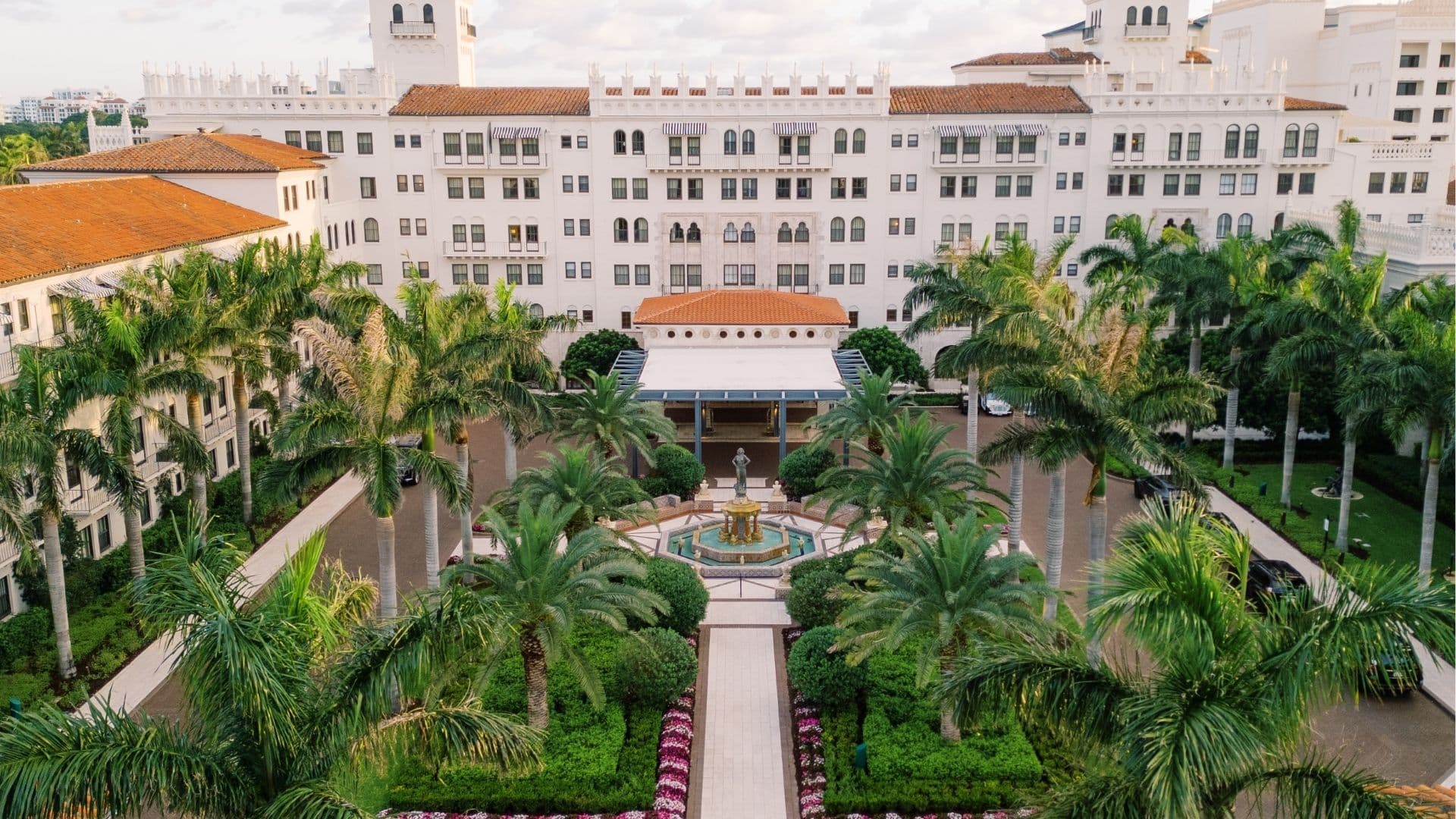
Spotlight On: Daniel A. Hostettler, President and CEO, The Boca Raton
There are properties that renovate, and there are properties that reinterpret. Daniel A. Hostettler, President and CEO of The Boca Raton, belongs firmly in the second camp. At the helm of one of Florida’s most storied private clubs and resort, a destination rooted in the Mediterranean vision of architect Addison Mizner, who first opened its doors in 1926, Hostettler is leading a transformation that refuses to treat history as a constraint. Across five distinct hotels operating under the rare architecture of a private club, he is redefining what it means to modernize a legacy property: not by erasing what came before, but by using it as source material. The result is a resort where personalization is the infrastructure. And where experience, as Hostettler sees it, is never a department.
On Modernizing a Legacy Without Losing It
The Boca Raton has been reimagined without losing its sense of history. When you're modernizing a legacy property, how do you decide what to preserve and where to push?
The principle I keep coming back to is that you don't remodel the past. When we redesign our private club and resort, an addition should be contemporary in design and feel rather than a remodel of the past. Cloister, which renowned architect Addison Mizner opened in 1926 as the "Cloister Inn," is a good example. The redesign of its 297 rooms and 28 suites — which we're undertaking between June and November — draws on Mizner's Spanish and Mediterranean forms and reinterprets them through a modern lens: curvilinear headboards in contemporary proportions, scalloped detail transcribed from 1920s umbrellas into present-day roman shades, palm motifs from his sketchbook rendered at a more graphic scale. The history is the source material, not the finish line.
What Today's Luxury Guest Is Actually Responding To
Today's luxury guest is more selective and less impressed by traditional markers of luxury. What are they actually responding to right now, and how has that changed how you deliver the experience on property?
Guests respond to substance. They can tell the difference between a property that has invested in its people, its programming, and its physical condition, versus one leaning on its name. Marble lobbies and recognizable logos don't carry weight on their own anymore. The guest wants to know who is cooking the food, who designed the room, what the team actually knows about the place they're working in. We've responded by hiring differently and giving our teams more authority to make decisions in the moment, while being rigorous stewards of personalization.
Food and Beverage as Identity
The repositioning introduced a more ambitious food and beverage program across the resort. How do you think about F&B as a driver of identity?
Food and beverage is the most direct way a guest understands what a property values. A guest may stay in a room for two nights, but they'll have six or eight meals with us, and each one is a statement. We brought in chefs with their own points of view rather than building a single house style across every outlet, because the guest should feel a real difference between dinner at one restaurant and lunch at another.
Five Hotels, One Foundation
With five distinct hotels on one resort, how do you create a cohesive experience while still giving each one a clear point of view?
The cohesion comes from what sits underneath all five hotels: we operate as a private club. A resort guest, for the length of their stay, gets to experience what it's like to be a member here — the same access, the same level of service, the same social vitality and sense of community that our members rely on. On top of that foundation, each hotel has its own narrative, its own style, its own segmentation. Cloister, Tower, Yacht Club, Bungalows, and Beach Club each speak to a different kind of guest and a different reason for staying. Guests move between the hotels, but the experience meets them wherever they are.
Experience Is Not a Department
You'll be speaking at ILHA INSPIRE 2026 on experience-led travel. What are the key ideas you'll be bringing to that conversation?
The central idea I'll explore is that experience is not a department. Too many operators treat it as a programming line item, and guests can feel when something has been bolted on. Real experience comes from the property itself — the people, the spaces, the food, the standard of care. I'll be talking about what that looks like in practice at a property our size, and where I think the industry has confused volume of offerings for depth of experience. I'm looking forward to the conversation in Orlando.
Daniel's approach to The Boca Raton reflects something the broader industry is still catching up to: that legacy, when handled with intention, is a competitive advantage, not a renovation challenge. In a market where guests can detect the difference between a property that has invested in its people and one that has simply invested in its lobby, Hostettler is building something harder to replicate than marble or a recognizable name. He's building conviction.
Featured Organizations

Related Articles
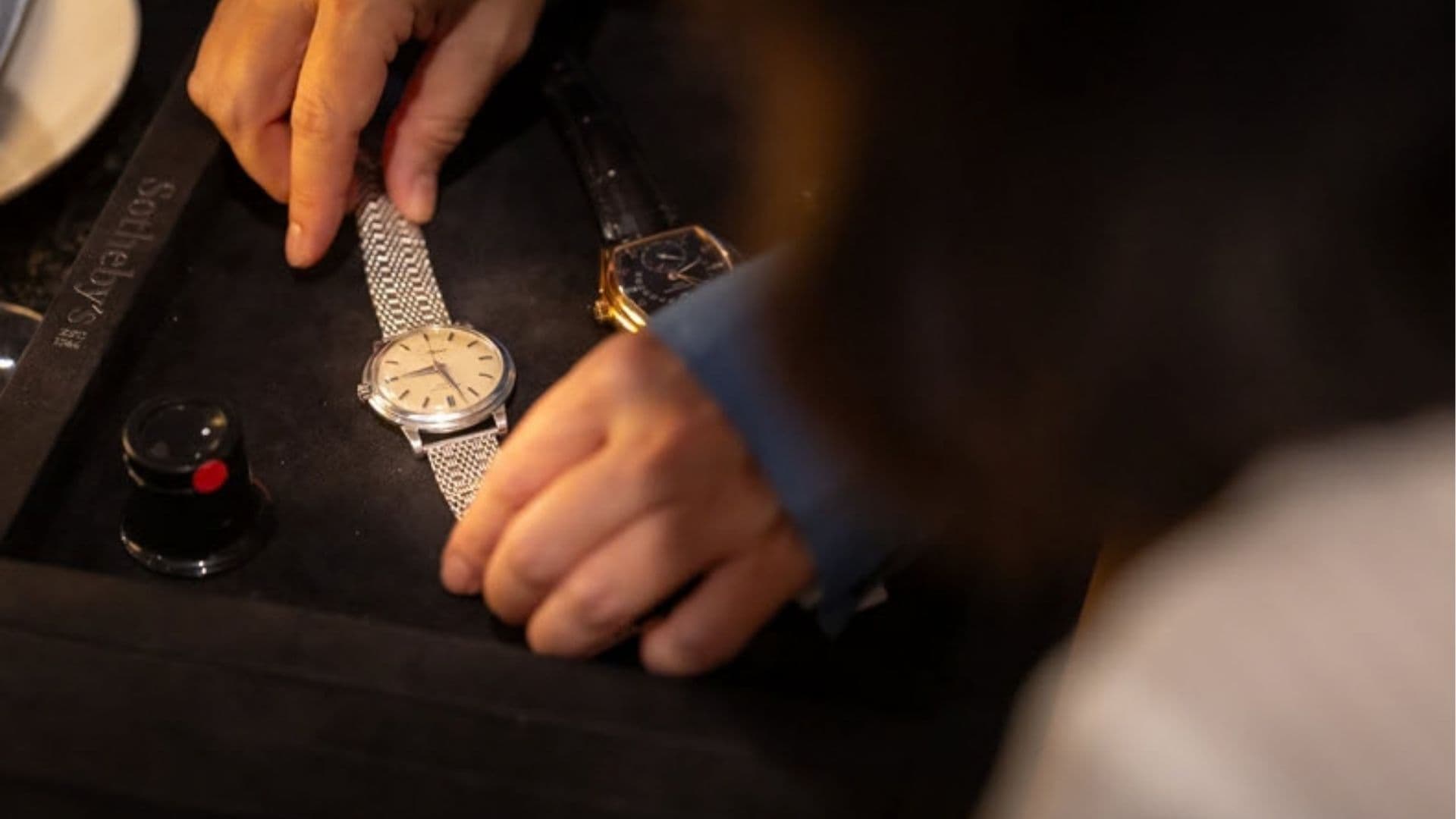
Luxury Group and Sotheby's Bring "The Art of Knowing" to Asia Pacific
September 2026

Connection Is the New Luxury: INSPIRE 2026 Adds Culture, Wellness and AI to Its Agenda
September 2026
Technology's Role in Revenue and Guest Loyalty Committee Report
September 2026