

How luxury hospitality brands build meaning, not just experience
Four forces are reshaping luxury hospitality and the brands that win will be those that turn shifting guest expectations into a clear, coherent story across every touchpoint, says Cathy Wood, Head of Content at Dialogue Content Marketing Ltd
Luxury hospitality is entering a decisive new chapter, one shaped less by marble lobbies and overt opulence and more by intention and meaning. For senior leaders, the challenge is no longer simply how to look luxurious, but how to remain relevant, rare and resonant in a market where visibility is high, expectations are higher and loyalty is harder won.
Dialogue has explored this shift in travel trends through a four-part series on the future of luxury hospitality, examining how modern luxury is being rewritten through personalisation and technology, purpose and sustainability, wellness and meaning, and exclusivity in an age of access.
Taken together, these forces indicate that the next era of luxury hospitality will be defined not by what brands offer, but by how well they understand, anticipate and narrate what their most valuable guests now seek.
This is not just an operational argument; it is a strategic and storytelling one. Because in an increasingly competitive landscape, the brands that win will be those that can translate complex shifts in guest expectations into coherent, credible and emotionally intelligent narratives across every touchpoint.
1. Personalisation and technology
Personalisation is no longer a differentiator in luxury hospitality; it is the baseline expectation. High-net-worth and ultra-high-net-worth guests now arrive assuming that a brand recognises them, remembers them and adapts to them – often before a single word is spoken.
What has changed is not simply the availability of technology, but its role. Artificial intelligence, automation and data analytics now form the backbone of many luxury experiences, enabling predictive service that feels seamless rather than showy. From rooms preset to personal preferences to itineraries shaped dynamically around past behaviour, the mechanics of personalisation have become more sophisticated.
Yet this progress creates a paradox. The more intelligent systems become, the greater the risk that experiences feel engineered rather than empathetic. Luxury guests may appreciate precision, but they are still emotionally moved by warmth, humour and human judgement.
For marketers and brand leaders, this raises an important narrative challenge. Technology should rarely be the hero of the story. Instead, it should act as what might be called asilent stagehand– enabling the performance without demanding attention.
The brands that succeed here are those that frame technology as an enabler of human connection, not a replacement for it. The story is not about AI concierges or smart rooms in isolation, but about how these tools allow staff to be more present, more perceptive and more personal. In modern luxury, intelligence must be felt, not flaunted.
2. Purpose and sustainability
If personalisation is the price of entry, purpose is rapidly becoming the deciding factor at the top end of the market. The world’s most valuable guests are quietly rewriting the definition of ‘premium’, shifting focus away from excess and towards impact.
But don’t just think that this is a marginal trend or a generational footnote. Purpose and sustainability are increasingly primary decision drivers for guests who deliver the highest average daily rates and lifetime value. The rise of what has been termed ‘regenerative luxury’ reflects a deeper desire: to indulge without guilt, and to leave a destination better than it was found.
Crucially, this is not about surface-level sustainability claims or CSR add-ons. Guests are asking harder questions. Where does the hotel invest locally? How does it support communities? What environmental trade-offs are being made, and why?
From a content and storytelling perspective, the risk of getting this wrong is significant. Vague commitments and generic green language are quickly dismissed. Affluent audiences are very literate, highly sceptical and well-practised at spotting greenwashing.
The opportunity lies in specificity and honesty. Brands that can articulate how and whythey act – and do so with humility rather than self-congratulation – are better placed to build trust and long-term affinity. Purpose, in this sense, is not a campaign theme but a narrative throughline that must hold up across owned, earned and experiential channels.
3. Wellness and the quest for meaning
Wellness has moved decisively from the periphery of luxury hospitality to its core. No longer confined to spa brochures or fitness facilities, it has become a lens through which guests judge an entire stay: how they sleep, eat, move, think and ultimately who they are when they return home.
Affluent travellers increasingly see travel as a tool for transformation rather than escape. The appeal lies not in indulgence alone, but in ‘internal reset’ – physical, mental and emotional. This has resulted in more holistic interpretations of wellness, blending science, technology and design into experiences that promise tangible results.
For hotel brands, this shift carries a strategic implication. Wellness becomes an all-encompassing philosophy rather than a single strand of the offering. And like all philosophies, it must be expressed consistently.
From a storytelling standpoint, this means moving beyond lists of amenities and towards narratives of change. The most compelling wellness content goes beyond just cataloguing treatments and instead articulates outcomes. How does a stay help a guest think differently, feel better or live more intentionally?
Importantly, this narrative must remain grounded. Overclaiming or leaning into pseudoscience risks eroding credibility with an audience that values discernment. The strongest stories balance aspiration with evidence, and emotion with restraint.
4. Exclusivity in an age of access
Perhaps the most complex force reshaping luxury hospitality is exclusivity itself. In a digital world, luxury has never been more visible. Suites are toured on social media, five-star stays are bookable at the tap of an app, and once private worlds are increasingly on display.
And yet, at the very top of the market, the guests who matter most are not chasing what everyone else can see. They are seeking what almost no one else can reach: privacy, space, time on their own terms and the quiet confidence of belonging to a very small circle.
This creates a sharp strategic tension. Brands are expected to be discoverable and welcoming enough to attract new affluent guests, while still feeling rare, protected and personally tuned for their most valuable clients.
Modern exclusivity is therefore less about velvet ropes and more about intelligent segmentation. Inner circle experiences, invite-only access and highly personalised recognition allow brands to signal rarity without alienating broader audiences.
From a content perspective, this requires careful calibration. Over broadcasting exclusivity risks eroding it. Under communicating it risks invisibility. The brands that navigate this successfully are those that understand when to speak publicly, when to whisper privately and when to say nothing at all.
A storytelling challenge, not just a strategy one
While each of these forces is powerful in its own right, their real impact lies in the ways they intersect. Personalisation enables exclusivity. Purpose reinforces wellness. Technology supports meaning. None can be addressed in isolation without creating friction elsewhere.
For senior marketing leaders, this presents a fundamental challenge. How do you tell a story that is intelligent without being cold, purposeful without being preachy, exclusive without being alienating and innovative without being inhuman?
The answer does not lie in more campaigns, but in clearer narrative architecture. Luxury brands need a unifying story that can flex across platforms, audiences and moments while remaining coherent and credible.
This is where content strategy becomes a board-level concern. In an environment where guests encounter brands through dozens of touchpoints before ever setting foot on a property, storytelling is not a layer added at the end; it is the thread that holds experience together.
The role of marketing leaders in the next era of luxury
Luxury hospitality is not short on ambition or innovation, but what it increasingly lacks is alignment. As personalisation, purpose, wellness and exclusivity converge, success depends on whether brands can connect these forces into a clear, credible narrative that guests recognise and trust.
For marketing leaders, storytelling is the discipline that turns strategy into a clear, recognisable direction – for property and sales teams, commercial partners and cherished guests alike.
Dialogue works with luxury hospitality brands to translate complex strategy into coherent storytelling – across content, experience and brand publishing. To explore our thinking and recent work, visit dialogue.agency
Related Articles
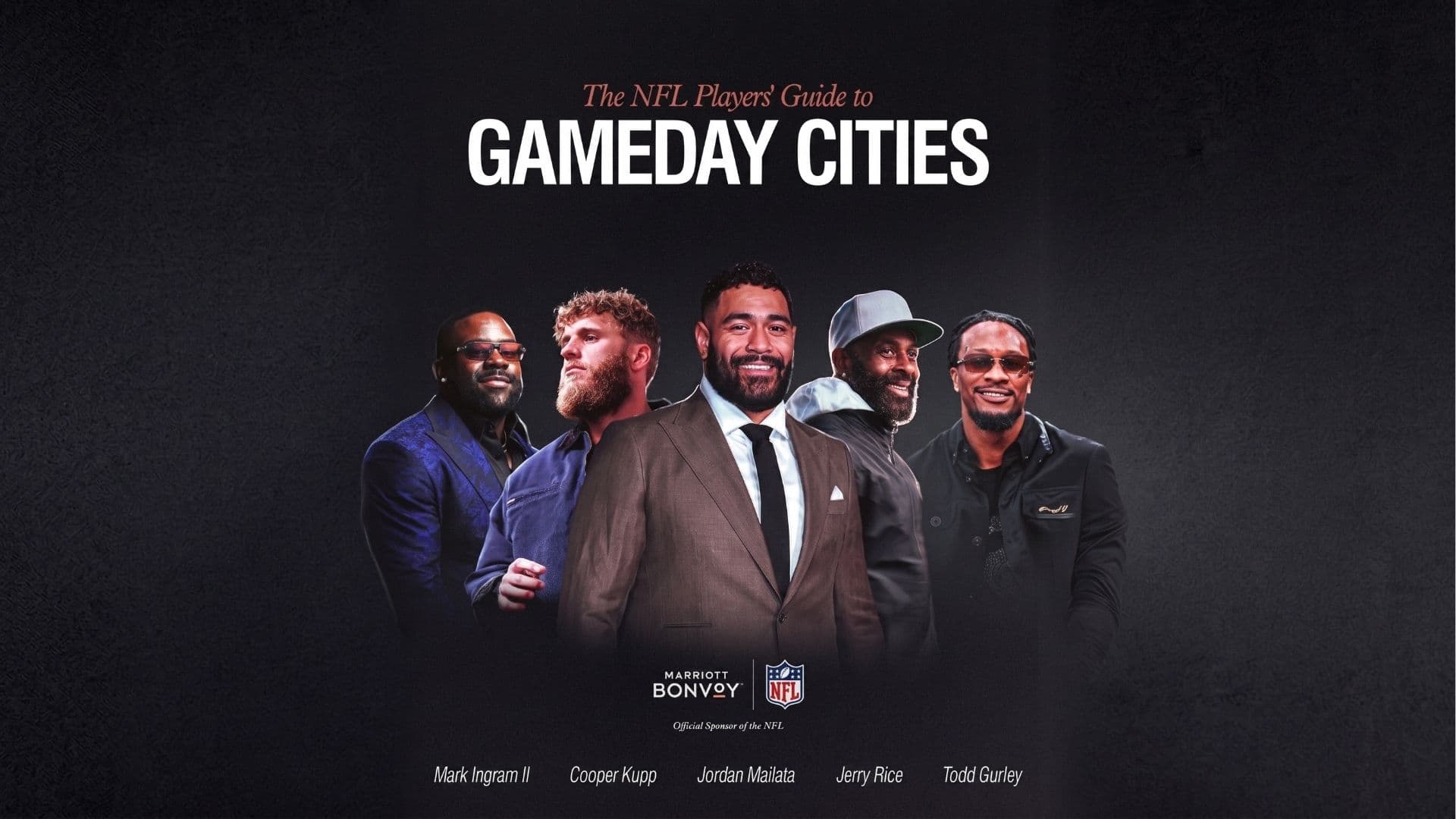
Marriott Bonvoy and NFL Stars Launch 37 Player-Curated City Guides
August 2026

Marriott's ice! Attraction Hits Its Largest Footprint Yet with Three New Holiday Themes
July 2026
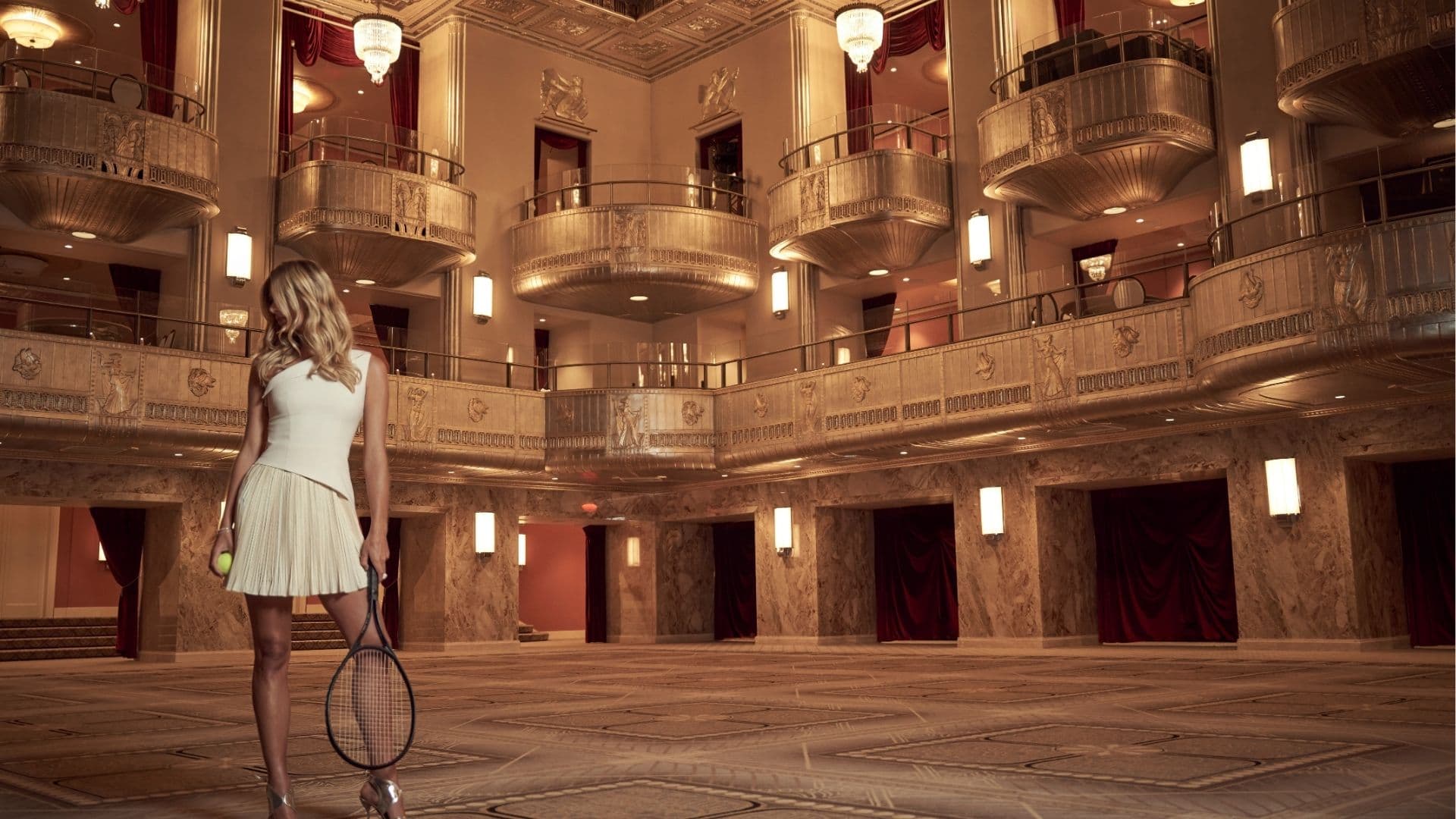
Waldorf Astoria Turns Its Grand Ballroom Into a Tennis Court, and It Says Everything About Where Luxury Is Headed
July 2026