
The Unseen Choreography: What 1920s Hollywood Taught Forbes Industries About Luxury Hotels
By the time a guest sees a glass of champagne, it has likely traveled across three different floor surfaces, through a service elevator, and down a long corridor. In hospitality, we often talk about the service; we rarely talk about the physics of delivering it.
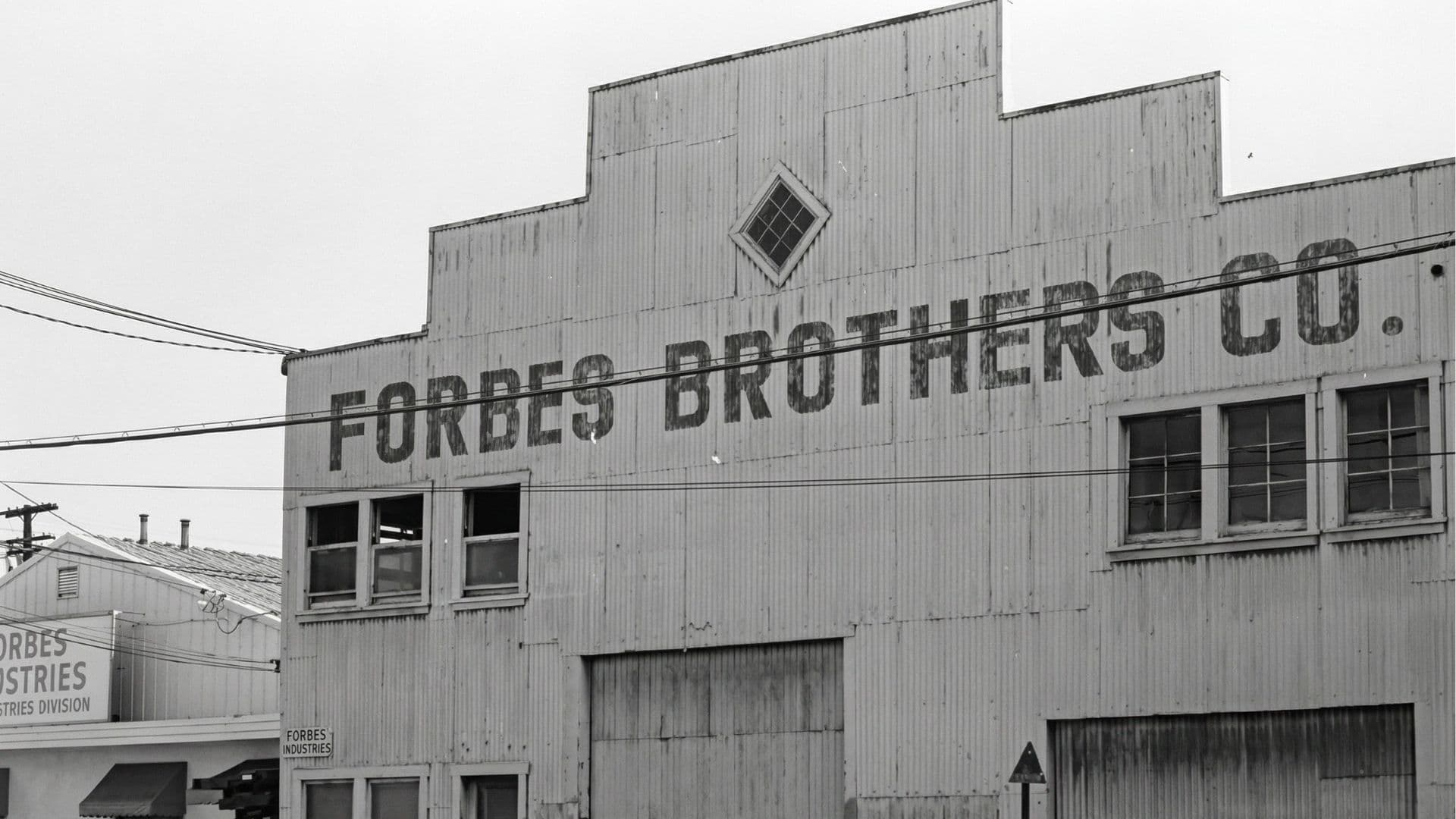
In 1919, the Forbes brothers were not thinking about hotel lobbies. They were standing on the back lots of Hollywood, watching a silent-film director shout instructions.
The problem in early cinema was simple: "Time was money." Production schedules were brutal, and the equipment - massive lights, heavy cameras, and intricate sets - was cumbersome. To keep the shoot alive, directors needed to move entire scenes instantly. They didn't just need carts; they needed heavy-duty mobility that could survive the chaos of a live set without ruining the take.
The Forbes brothers built the solution. They engineered the equipment that moved Hollywood.
A century later, the script has changed, but the production hasn’t. A luxury hotel is, essentially, a live performance that never ends. The "audience" (your guest) expects magic, while the "crew" (your staff) needs to move mountains behind the scenes to make it look effortless.
From the Silver Screen to the Birdcage
It wasn't until the 1980s that Forbes Industries fully turned its lens toward hospitality, but when they did, they changed the visual language of the lobby forever. Before Forbes, luggage carts were purely utilitarian, often industrial and unsightly. Forbes introduced the Birdcage®, the market’s first brass luggage cart. Suddenly, the equipment wasn't just a tool for the bellman to do his job efficiently; it became a psychological trigger for the guest. Seeing that brass cart signaled the beginning of a "vacation of a lifetime". It was the moment where utility met luxury.
The Philosophy of Mobile Innovation
Today, Forbes Industries is still manufacturing in California, but the challenges they solve have evolved. The modern hotelier isn't just worried about aesthetics; they are fighting a war against shrinking storage space and rising labor costs. This is where their philosophy of "Mobile Innovation" comes into play.
If you look at their modern catalog, you see products born from specific operational frustrations. They saw that storage was becoming a critical issue for hotels, so they engineered the SlimFold Bar, which collapses to half its size. They saw that hotels needed to change venues quickly, so they created the Mystique Bar, which allows staff to swap out magnetic panels and change the entire look of the station in minutes.
They even worked directly with mixology experts to design Mobile Mixology Carts that are not just rolling tables, but revenue-generating stations designed to bring the bar experience directly to the guest.
Built for the Long Haul
In an era of disposable furniture, there is something refreshingly old-school about their manufacturing. Because they started in industrial hauling, they build hospitality equipment with the same DNA. We are talking about carts built to last 20+ years, featuring high-grade casters and durable metal base construction.
They understand that a wobbly wheel on a room service cart isn't just an annoyance, it's a disruption to the guest experience.
Welcome to the Show
We are thrilled to welcome Forbes Industries as a Premier Partner. They are the company that takes Concept to Reality, helping hoteliers visualize everything from outdoor furniture to custom podiums. They spent 100 years mastering the art of moving heavy equipment, so your team doesn't have to struggle. They are the stagehands of the luxury world, keeping the business moving, quietly and efficiently.
Featured Organizations

Related Articles
Luxury Group and Sotheby's Bring "The Art of Knowing" to Asia Pacific
September 2026
Connection Is the New Luxury: INSPIRE 2026 Adds Culture, Wellness and AI to Its Agenda
September 2026
Technology's Role in Revenue and Guest Loyalty Committee Report
September 2026