The Rise of Medical Wellness in Hospitality
For years, luxury hotels have built wellness around spa treatments, fitness centers, sleep programs, recovery spaces and healthier menus. Those experiences still have value. Many guests are now asking for something deeper.
They want to know how they are sleeping, how they are recovering, how their body is changing and what they can do next. Travel is no longer seen only as a break from daily life. For many guests, owners and residents, it is becoming a restorative opportunity and a chance to keep health goals in motion.
That shift is bringing medical wellness into hospitality, most visibly across luxury resorts, serviced residences, villas, branded residential units and wellness-led destinations.
Hotels do not need to become healthcare providers. For most properties, that would be the wrong path. The opportunity sits in trusted wellness offerings that help guests learn more about their health and turn that insight into habits they can use during the stay and beyond.
Wellness Is Moving Into Prevention
The wellness economy keeps growing, and prevention is a big reason. The Global Wellness Institute projects wellness tourism to grow from $720 billion in 2019 to $1.4 trillion in 2027, showing how strongly travel is becoming tied to health, recovery and long-term well-being.
Luxury hospitality is moving in the same direction. New wellness projects are being planned around longer stays, repeat visits, club memberships, branded residences and preventive health. That signals a shift from wellness as a single service to wellness as part of how people live, recover and build routines over time.
A massage or recovery session may still be part of the experience. Some guests now want guidance too. They want to know why they feel tired, why their sleep is poor or how their fitness routine should change with age, travel or stress.
Medical wellness can bring that insight into a hospitality setting through body composition scans, sleep reviews, nutrition support, blood work or consults with licensed providers. Properties can help connect people with these services and create an environment that supports healthy behavior.
Insight Has to Lead Somewhere
Medical wellness answers a growing desire for credibility and measurable progress. Consumers are taking a more active role in their health, and many now expect science-backed solutions, personalization and results they can understand.
That expectation changes the role of the fitness center. It is no longer only an amenity. It can become a foundation for prevention, longevity, strength, recovery and sustained wellbeing.
Hotels already influence how people eat, move, rest and recover during a stay. Medical wellness can add context to those choices. A body composition assessment may reveal a need to build muscle, balance strength and cardio or increase activity levels. Guided programming can then give people a starting point that matches those goals, helping them use their time in the fitness center instead of guessing where to begin.
Hospitality has an opportunity in that bridge between information and action. A single assessment does not need to lead to a complex plan. People are more likely to respond to practical guidance they can use right away.
Movement Gives Hotels a Practical Starting Point
Many medical wellness services provide information about a person's health, recovery or physical condition. The fitness center gives them a chance to do something with that information during the stay or across repeat visits.
That connection is creating new expectations around fitness programming. Guests and residents are becoming more familiar with personalized workouts, guided training experiences and technology that adapts to individual goals. As those experiences become more common in health clubs and wellness facilities, travelers may begin looking for similar support when they are away from home.
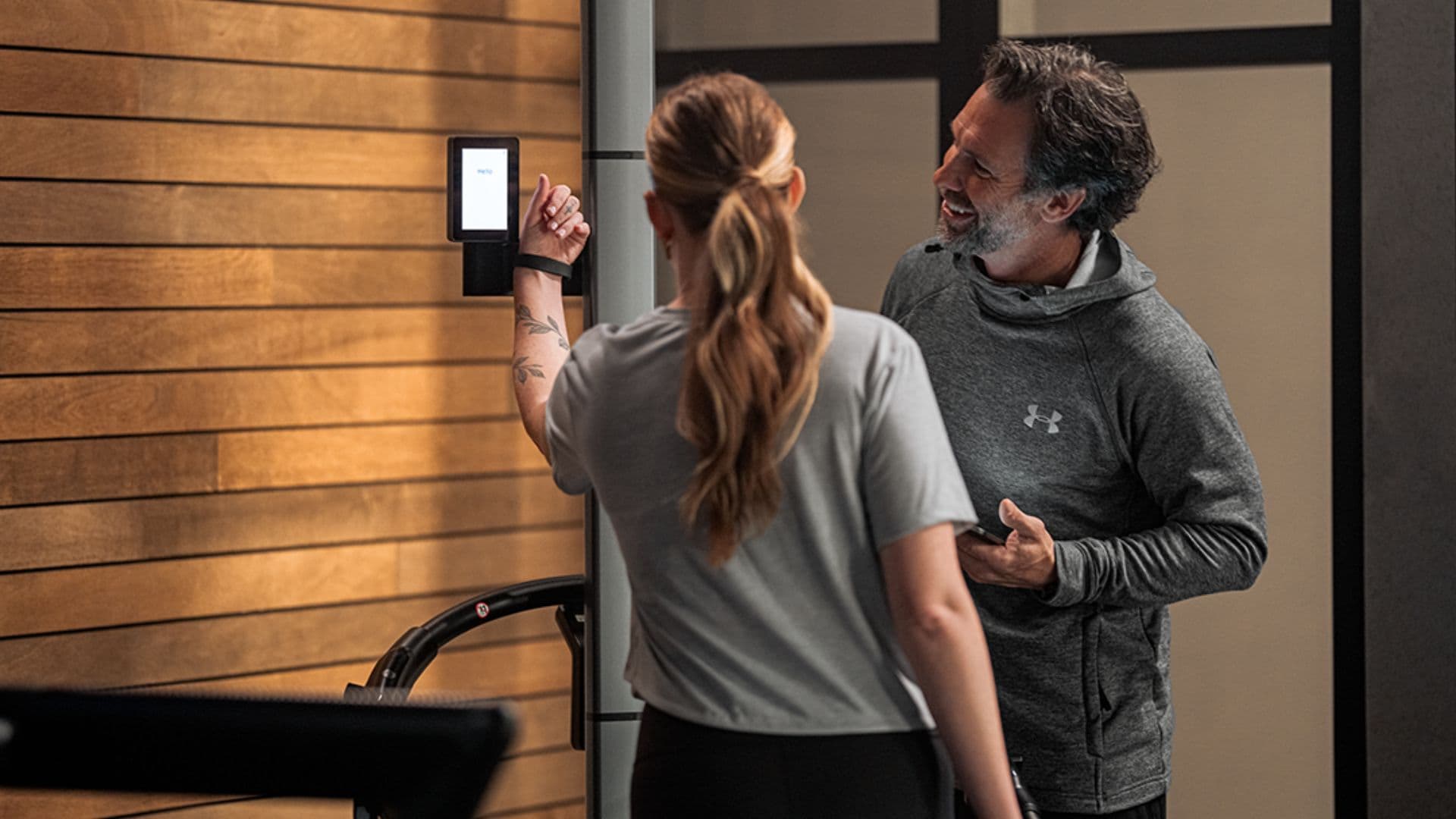
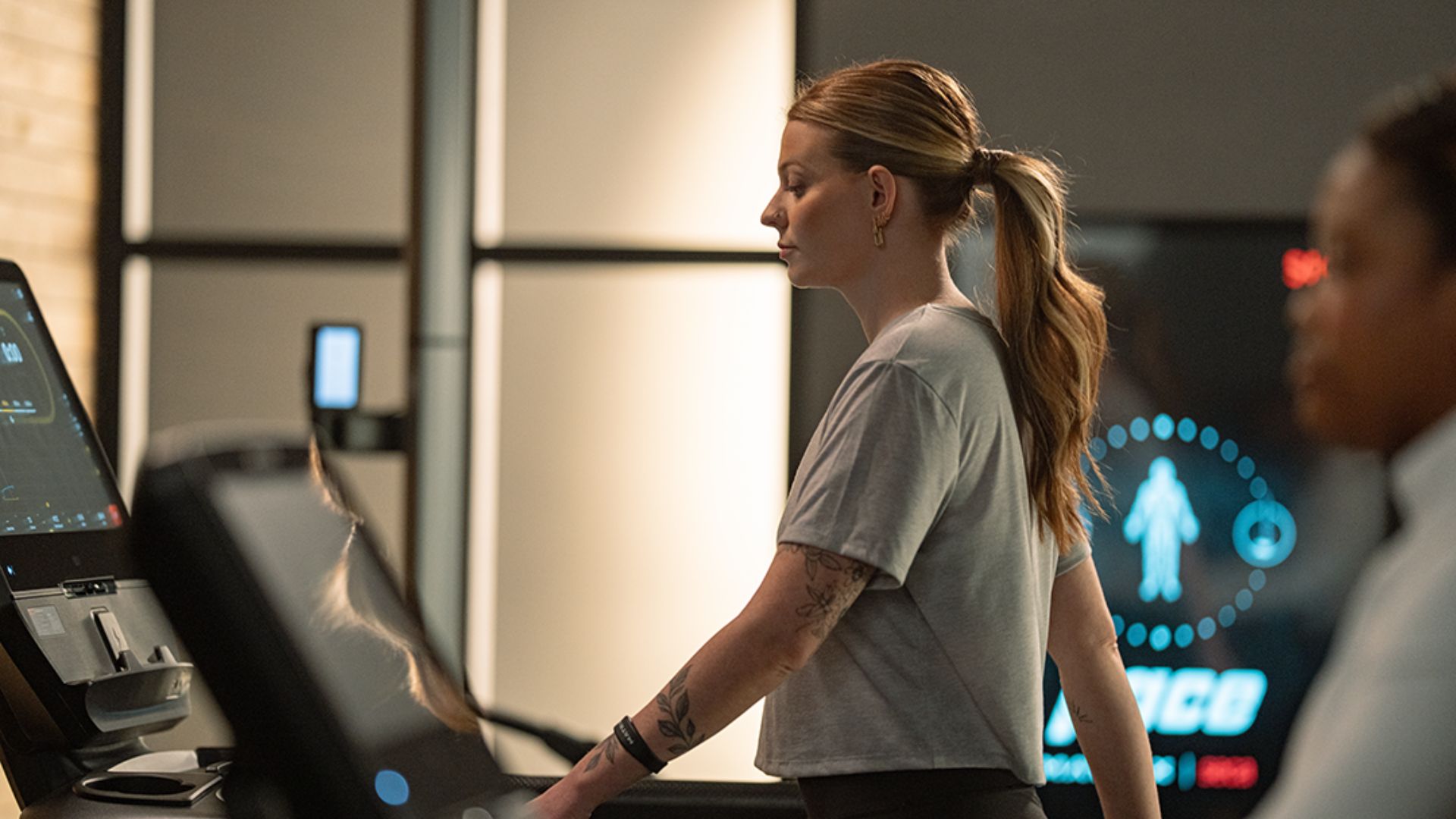
PACE from Matrix Fitness is one example of this approach. The AI-guided training solution links body composition insight with guided fitness programming, helping users translate assessment results into a training experience that feels more relevant to their goals and fitness level.
The role of PACE can vary by hospitality setting. For a short-stay guest, it can function as a premium wellness amenity that delivers an efficient, guided workout without requiring the guest to know the facility, equipment or programming. For a long-stay guest, owner, member or resident, it can support repeat use, body composition visibility, adaptive programming and ongoing progress.
The opportunity is less about adding another wellness feature and centers more on creating continuity between insight and action. People should be able to see what is available before they arrive and access it easily once they are on property. When that connection is clear, fitness becomes a practical extension of the broader wellness experience rather than a separate amenity.
Fitness Can Create New Value Inside the Property
Many hotels already have fitness spaces, yet the business case can be hard to prove. The room may be open every day, but operators may not know who is using it, what people need or how the space could support paid wellness services.
Body composition insight gives properties a more concrete starting point. A person can learn something useful about their current fitness profile, then receive guidance that connects to the equipment and programming available on property.
That connection can support the guest experience and create a new revenue path. A resort guest may pay for a body composition scan with guided workouts for the week. A property with a non-attended fitness center may offer a more personal experience without adding a trainer to every shift. A residence may use repeat assessments and guided programming as part of an ongoing wellness offer.
The assessment is only one part of the offer. The larger value comes from what follows: personalized programming and a service people may be willing to pay for.
Longer Stays Create More Room for Habit Change
Interest in medical wellness is not limited to one property type. Hotels, resorts, villas, serviced apartments, branded residences and mixed-use properties can each have a reason to explore it.
Longer stays create more room for habit change. A guest staying two nights may try a recovery service. A guest staying a week may follow a movement plan across several days. A resident, owner or repeat guest may use body composition insight and guided programming as part of a routine that continues over time.
The growth of wellness residences and health-focused communities supports this direction. People who reside part-time on the property, return often or stay for longer periods may expect wellness support that fits into daily life, not a one-time appointment during a trip.
A New Opportunity for Hospitality Operators
As properties evaluate wellness investments, the focus is turning toward helping people use wellness in a more personal way. Health insight, body composition assessments and guided fitness programming can help existing wellness spaces become more useful for guests, residents and operators.
Guest action defines this new phase of wellness. Properties that help people turn information into everyday habits may create value that reaches beyond the stay itself.
For a closer look at how body composition insight and guided fitness programming can support this shift, read the full Matrix Fitness article.