Navigating Regulatory Complexity in Luxury Amenities
In conversation with Gabrijela Nikolic, QA & Global Regulatory Compliance Director, Hunter Amenities
Luxury amenities may seem simple: a beautifully fragranced shampoo or a thoughtfully placed lotion. Yet behind every product lies an increasingly complex set of regulatory, safety, quality, and sustainability requirements that vary across global markets.
For hoteliers, selecting an amenity program involves fragrance, brand alignment, and guest experience, along with confidence in a partner's regulatory expertise, transparency, and quality systems.
To better understand this evolving landscape, ILHA spoke with Gabrijela Nikolic, QA & Global Regulatory Compliance Director at Hunter Amenities, about the regulatory changes affecting the industry and what luxury properties should consider when evaluating amenity partners.
Why is cosmetic regulation becoming more important for hotels?
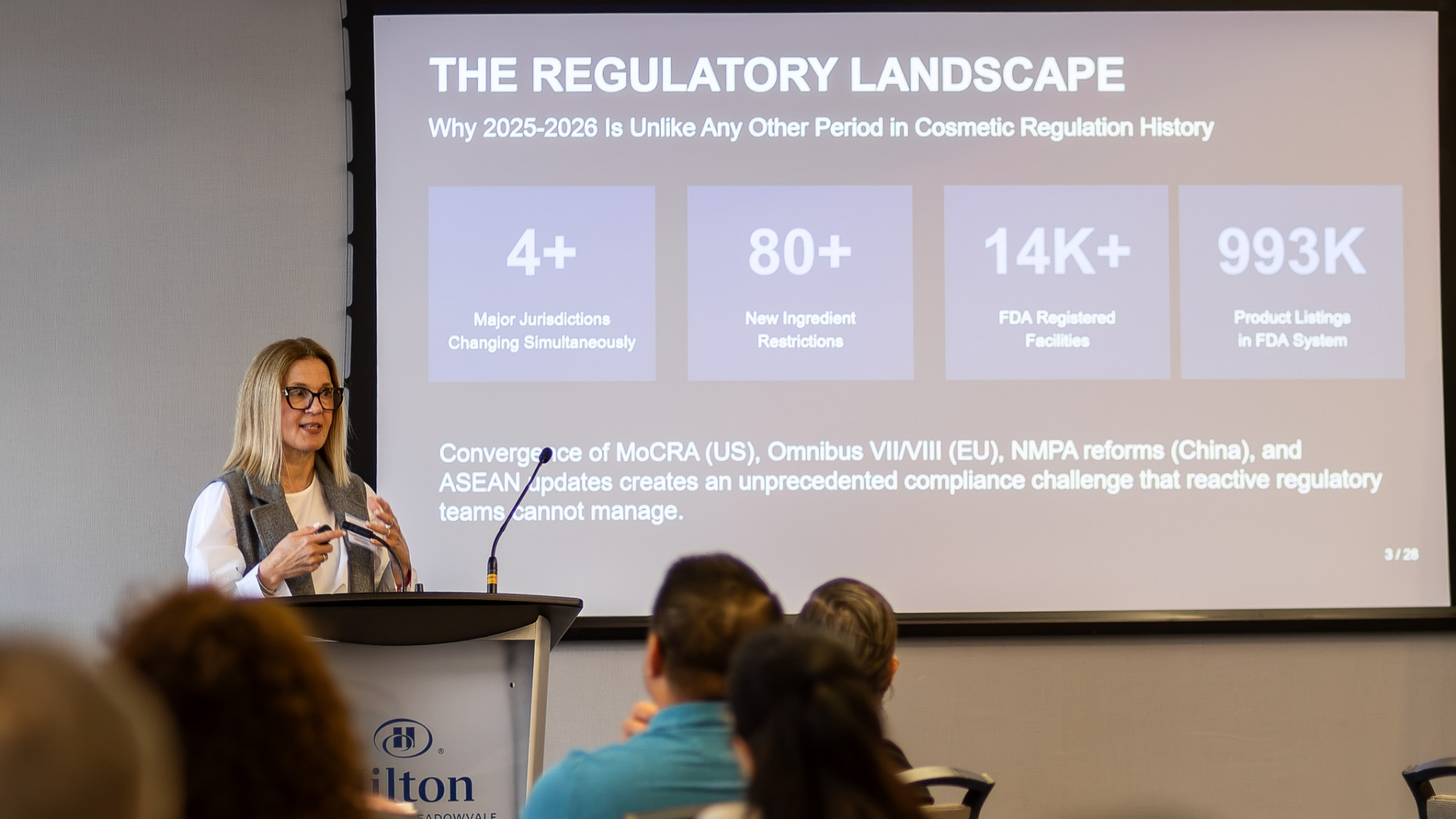
The biggest challenge today is the volume and pace of regulatory change. I often describe it as a regulatory tsunami. Across the U.S., European Union, China, ASEAN, the Middle East, and Latin America, regulations governing ingredients, product safety, sustainability, packaging, labelling, and claims are evolving simultaneously. This creates a more complex environment for manufacturers, brands, and hospitality partners.
For luxury hotels operating across multiple regions, these changes have real implications. Each market has its own requirements, and a product that is acceptable in one jurisdiction may require different substantiation, documentation, packaging, or ingredient considerations elsewhere.
Hotels increasingly need amenity partners with the knowledge and capabilities to keep products compliant, consistent, and in line with brand standards across the markets they serve.
Which regulatory changes should hoteliers be paying attention to with 2027 on the horizon?
The short answer is that there is not just one change to watch. We are seeing regulatory developments happening across multiple regions simultaneously, which is why I often refer to it as a regulatory tsunami.
In the United States, MoCRA represents the most significant expansion of FDA cosmetics oversight in decades, introducing requirements around facility registration, product listing, adverse event reporting, safety substantiation, and future Good Manufacturing Practice expectations.
In Europe, regulations continue to evolve around ingredient restrictions, including CMR substance bans, PFAS phase-outs, microplastic restrictions, and expanded fragrance allergen labelling requirements. There is also increasing scrutiny around environmental claims and packaging compliance.
These changes often overlap for global hotel groups. A program developed for one market may require different documentation, packaging, or compliance processes in another. The brands best positioned for 2027 are working with partners who actively monitor regulatory developments and consider compliance from the start of each program.
Why does this matter for the guest experience?
Guests may never see the regulatory work happening behind the scenes, but they absolutely experience the outcome. They expect products that feel premium, perform consistently, are clearly labelled, and reflect the values of the property where they are staying.
There is also greater consumer awareness around sustainability, ingredient transparency, and responsible sourcing. Today's guests pay closer attention to claims such as "clean," "natural," "eco-friendly," or "responsibly made." Those claims increasingly need to be supported by credible evidence.
As regulations continue to tighten around environmental and sustainability claims, brands and hotels need to ensure that what they are communicating is accurate, substantiated, and compliant.
Strong regulatory compliance helps protect both the guest experience and the hotel brand. It gives guests confidence in the products they are using and helps ensure the experience aligns with the standards and values the property has worked hard to create.
What makes global amenity compliance especially challenging?
The challenge is not any one regulation in isolation. It is managing all of them at the same time.
When a hotel brand operates globally, an amenity program has to work across many different regulatory environments. Building compliance in early helps avoid surprises later.
A single product may need to account for ingredient restrictions in Europe, fragrance allergen disclosure requirements, U.S. product listing obligations, packaging rules, local language requirements, and regional market-entry documentation. In some regions, local representatives or separate product notifications may also be required.
That is why compliance needs to be considered at the very beginning of the development process, before a product has been fully designed. Formulation, packaging, artwork, claims, supplier documentation, and distribution strategy all need to work together.
It is possible to navigate that complexity while still delivering a distinctive luxury experience that reflects the property's brand and guest expectations. It really comes down to finding the right amenity partner.

What should hotels look for in an amenity partner today?
Hotels should look for a partner with the regulatory expertise, quality systems, and global capabilities to navigate an increasingly complex landscape.
The strongest partners monitor regulatory developments rather than waiting to respond once changes take effect. That means understanding evolving requirements, carefully reviewing claims, maintaining supplier transparency, and helping ensure products are approved across the markets where they will be used.
The right amenity partner helps the hotel deliver products that are not only beautiful and brand-aligned, but also safe, compliant, and ready for global deployment.
How does Hunter Amenities support hotels through this complexity?
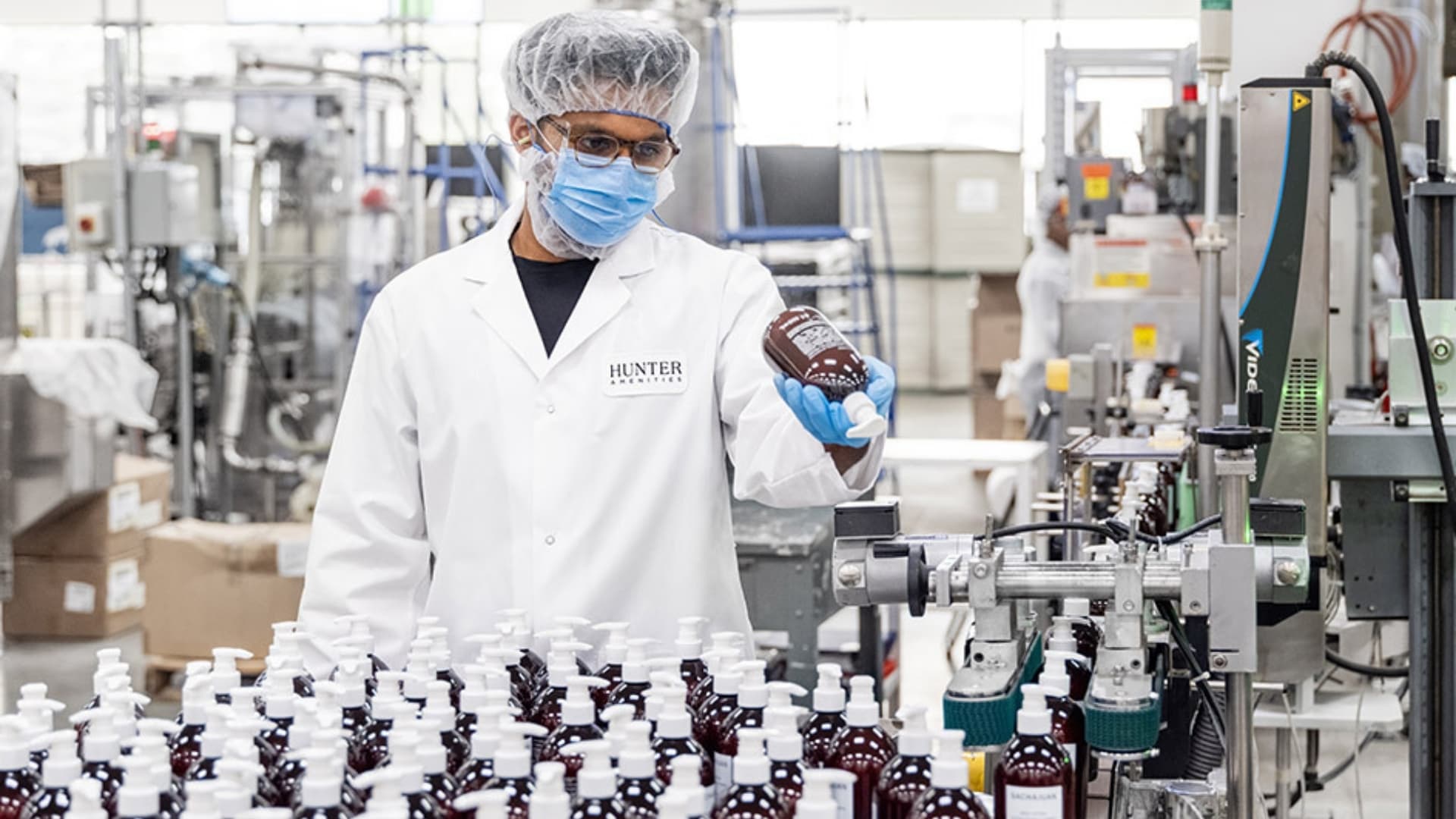
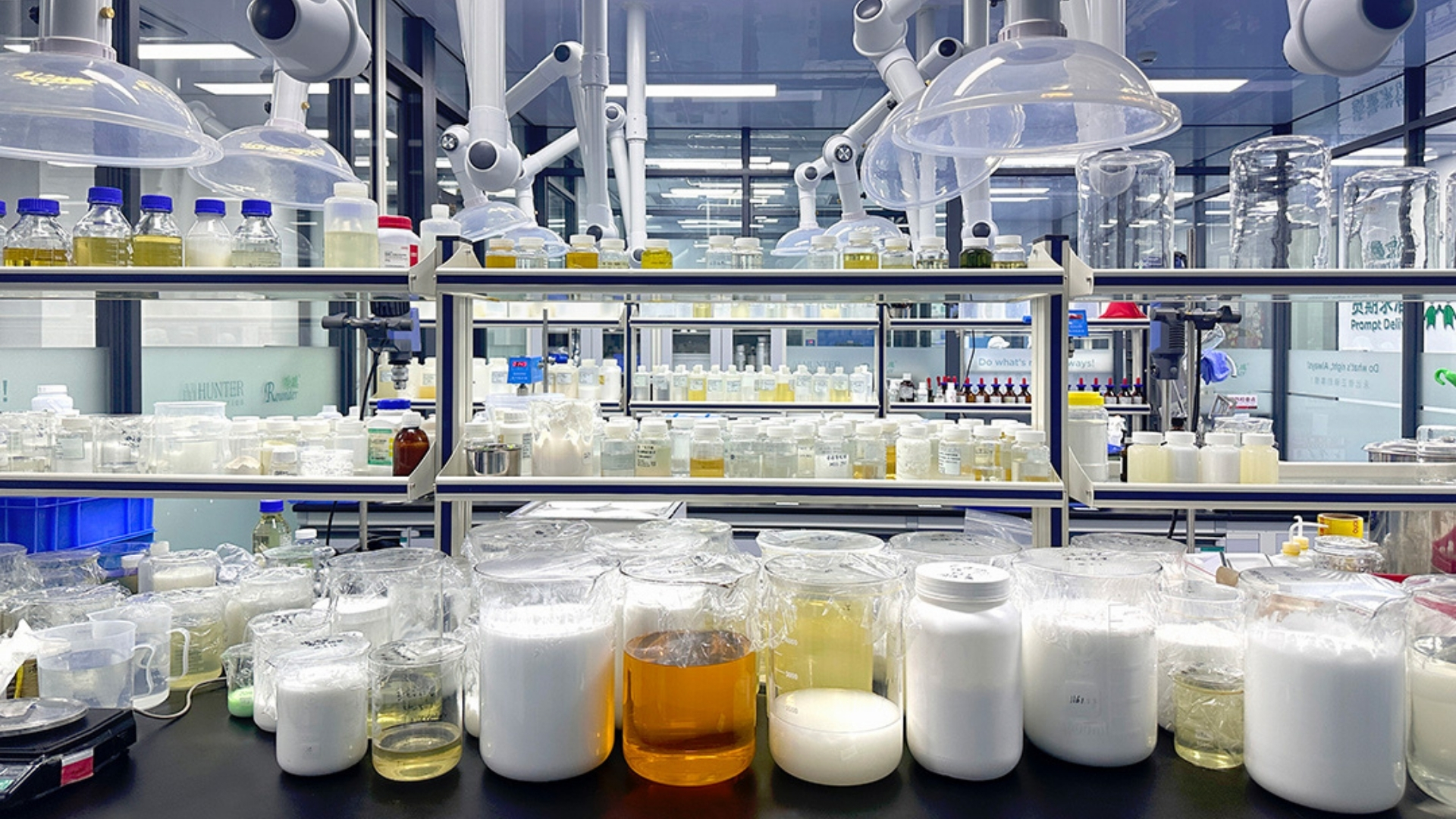
At Hunter Amenities, the business is built around simplifying complexity for hospitality partners. By bringing together product development, formulation, quality assurance, regulatory review, packaging, production, and global distribution through one integrated process, Hunter provides a seamless experience from concept through delivery.
The Quality Assurance and Quality Control programs are supported by GMP and ISO-certified systems and processes. For global hospitality brands, this integrated approach helps ensure regulatory requirements are considered at every stage of development, while keeping guest experience, product performance, and brand integrity at the forefront
What is the biggest takeaway for hoteliers?
Regulations will continue to evolve, but that does not mean amenity development needs to become more complicated for hotels. With the right expertise in place, it can be a seamless process.
Compliance and luxury are not competing priorities. When managed together, they create amenities that are safe, brand-aligned, and memorable for guests.
Hunter Amenities is a Partner of the International Luxury Hotel Association. For more information, visit hunterindustries.com.