
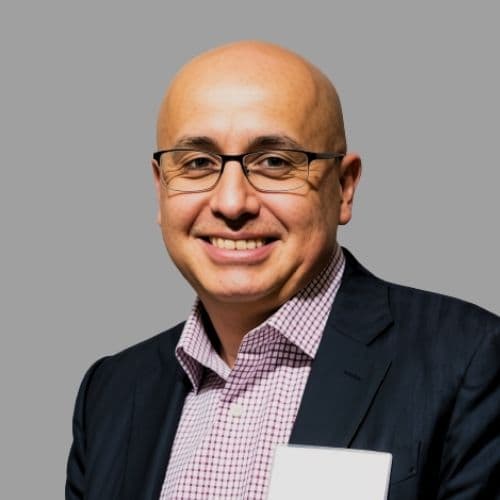
Spotlight ON: Milton Pedraza, CEO of the Luxury Institute
Everyone Wants to Be Seen: Why Relationship Mastery Is the Real Luxury
A Spotlight Interview with Milton Pedraza, CEO of the Luxury Institute
ILHA Inspire Speaker Series
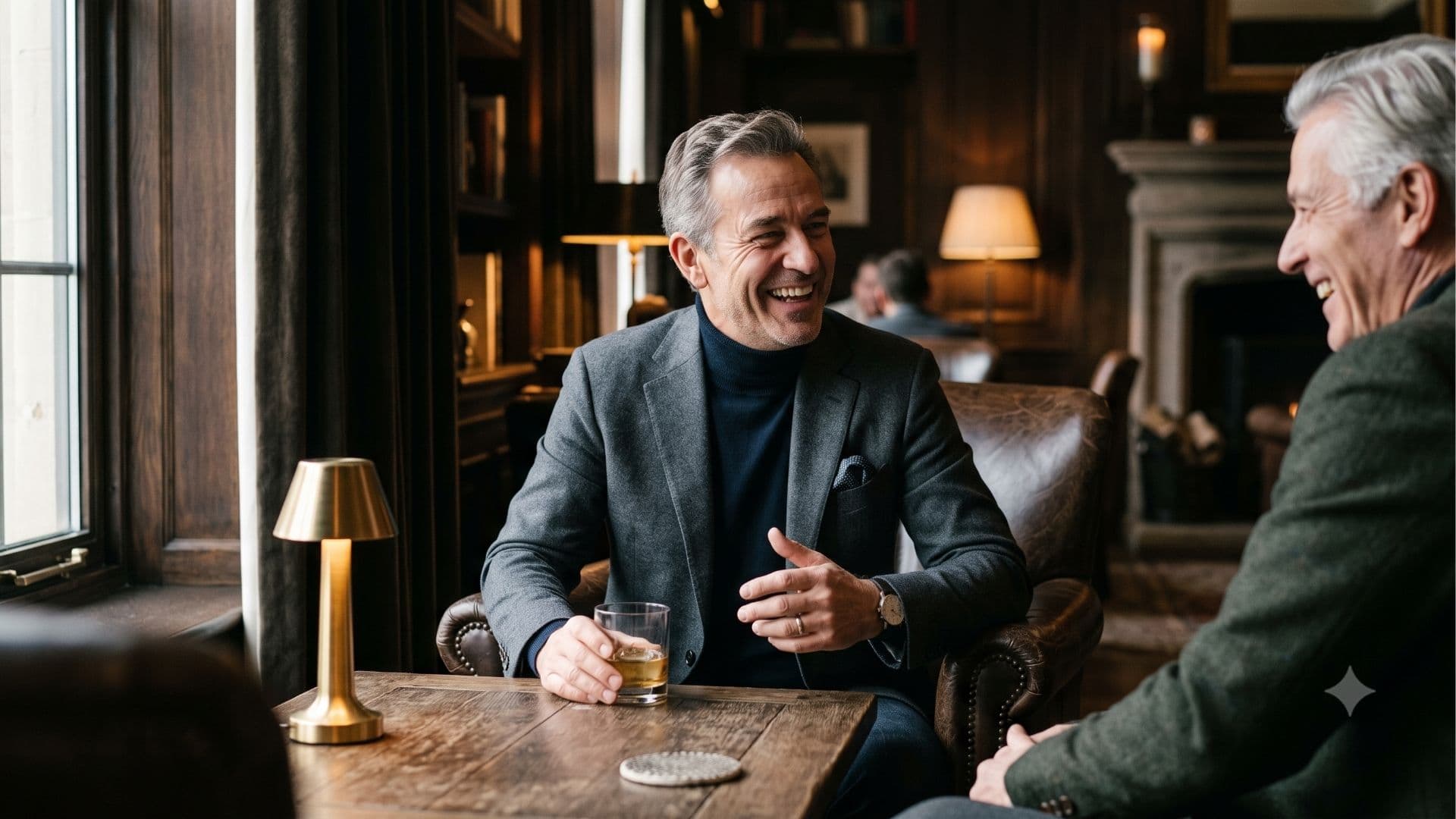
Milton Pedraza has spent years in fascinating conversations, private jets, members-only clubs in London, intimate celebrations for ultra-high net worth individuals who've just closed nine-figure deals. But what he's learned in those rooms has nothing to do with opulence. It has everything to do with being human.
As CEO of the Luxury Institute and co-author of High Trust Worth, Pedraza has built a career giving voice to the world's wealthiest clients, studying what earns their loyalty, what quietly erodes their trust, and what they actually remember about a luxury experience long after checkout. He will join ILHA Inspire this December in Orlando for a keynote on relationship mastery, and the stories he shared with us are a glimpse into why this conversation matters now more than ever.
Four Stories That Changed Everything
Pedraza doesn't open with frameworks. He opens with people.
There was the private jet from New York to Boston, where he casually told two enormously successful men that he'd want to be them in another life. Both said no. What followed were deeply personal accounts of loss, challenge, and pain that wealth hadn't shielded them from. "Life spares no one," Pedraza reflects. "Everyone has challenges and tragedies. That's how deeply human we all are."
Then there was the British man who grew up in castles, flew on private yachts, attended boarding school and military school, and felt profoundly isolated because of it. Loneliness, Pedraza learned, is not a condition reserved for those without means.
At a celebration in London, a woman who had just sold her company to a major conglomerate pulled Pedraza aside the moment he walked in. "Everyone here wants something from me. Please sit down and keep me safe." Trust, he realized, becomes harder to give the more people want from you.
And then there's the other side, the warmth. Pedraza's co-author, Erica Zohar, an ultra-high net worth philanthropist, would spend 20% of any conversation describing a venue and 80% talking about the people she met there. A Moroccan village. Her children discovering the world. The Beverly Hills Hotel, where staff kept framed photographs of her family across the years and presented them at milestones, a gesture that turned a hotel into something that felt like home.
These stories aren't anecdotal decoration. They are the data.
The Five Pillars of Trust
From hundreds of research projects conducted for the world's leading luxury brands, Pedraza and his team distilled what wealthy clients actually require to build a trusted relationship. It comes down to five pillars.
Trustworthiness: show me you're serving my best interest, not yours. Expertise: not just in your domain, but in people. Kindness: patience, warmth, and genuine care. Empathy: listen, ask questions, truly see me. And creativity: the ability to take whatever resources you have in whatever context you're in and make the experience extraordinary.
None of these pillars require a bigger budget. They require a different mindset.
"They're taking for granted the breathtaking venues. They're taking for granted that you hired professionals who provide good service. What they're not taking for granted is that human beings connecting can create rich, emotional, deep connections."
The Problem of Impersonal Personalization
Where luxury hospitality still stumbles, Pedraza says, is consistency. A guest might have a transcendent moment at the spa, and then a flat, anonymous check-in experience despite being a returning visitor for the tenth time.
He calls it "impersonal personalization", the moment a front desk associate asks, "Is this your first time with us?" to a loyal guest who has been coming for years. It's not malice. It's a system gap. And it quietly dismantles trust.
The fix isn't just technology, though technology needs to be there. It's investing in people with the same intention you'd bring to mentoring your own children, coaching them to treat every guest with humanity, whether they're an Elite Platinum member or walking through the door for the first time.
Food Is Medicine and Hospitality's Next Frontier
The shift Pedraza believes will reshape luxury hospitality is already underway: food is medicine.
High net worth guests are arriving at properties with physician-prescribed dietary protocols, not preferences, prescriptions. They're traveling with nutraceuticals, vitamin packets, and specific food regimens they cannot break. And when they ask a Michelin-starred restaurant to accommodate those needs, too often they're met with awkwardness, rigidity, or quiet embarrassment.
"We have to honor the extraordinary skill of the chef and their masterpieces, and concurrently, take into account the client as the masterpiece."
This means rethinking the minibar, the club lounge spread, the room-service menu, and the restaurant experience itself. Flexible portions. Adaptive combinations. Green supplements alongside the chocolate chip cookies. It's not about diminishing culinary artistry, it's about expanding its definition to include the guest's own body as part of the equation.
Relational agility, Pedraza calls it. And it's the skill that will separate the properties guests remember from the ones they don't.
Hear More at ILHA Inspire
Milton Pedraza delivers his full keynote, Relationship Mastery: Insights and Stories from the Voices of High Net Worth and Ultra-High Net Worth Clients, at ILHA INSPIRE Luxury Hospitality Conference this December in Orlando. If you lead a property where trust is the currency, this is a conversation you'll want to be part of.
Featured Organizations

Related Articles
Luxury Group and Sotheby's Bring "The Art of Knowing" to Asia Pacific
September 2026
Connection Is the New Luxury: INSPIRE 2026 Adds Culture, Wellness and AI to Its Agenda
September 2026
Technology's Role in Revenue and Guest Loyalty Committee Report
September 2026