
Vintage, Reimagined: How Pre-Owned Luxury Is Becoming a Pillar of the Guest Experience
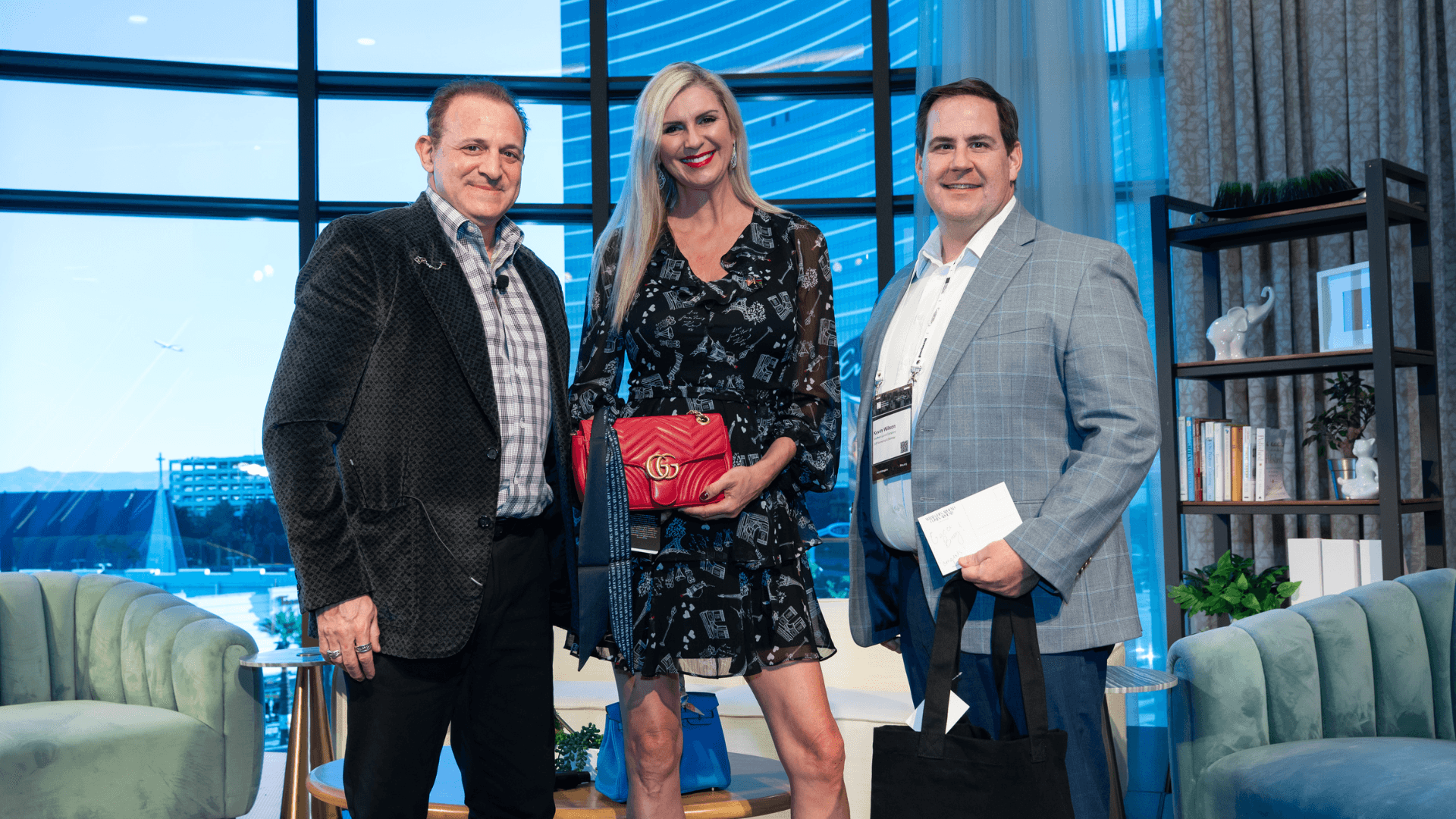
WGACA In Person with Seth Weisser at ILHA INSPIRE | Resorts World Las Vegas, December 2026
At the International Luxury Hotel Association’s INSPIRE in December 2026, one of the most quietly compelling conversations at Resorts World Las Vegas didn’t center on technology, development pipelines, or brand scale -it centered on time. Specifically, how time, craftsmanship, and story are redefining luxury in hospitality. In an intimate, wide-ranging conversation, Seth Weisser, Co-Founder and CEO of What Goes Around Comes Around (WGACA), sat down with Michelle McLean, Former Miss Universe and International Business Officer for Gondwana Collection Namibia, to explore why vintage and pre-owned luxury is no longer a niche trend, but a powerful experiential and commercial opportunity for hotels.
From Nightlife to a New Luxury Category
Weisser traced WGACA’s origins back more than 30 years to New York City in the early 1990s -a time when vintage was far from fashionable. As a young fashion obsessive navigating the city’s nightlife, Weisser and his co-founder began thrifting out of necessity, quickly recognizing that many of the silhouettes and materials appearing on luxury runways were rooted in earlier eras. What began as a way to gain access to style evolved into a bold idea: curate vintage with the same rigor, taste, and storytelling as high fashion, and invite a new consumer -one who never thought they’d buy vintage- into the category.
That early instinct proved prescient. Today, as younger generations increasingly prioritize pre-owned and resale, WGACA stands as one of the pioneers of a sector now projected to outpace traditional luxury growth by multiples. “What was once a fringe behavior is now a forward-looking one,” Weisser noted, pointing to a consumer mindset that values sustainability, individuality, and longevity over seasonal newness.
The Experiential Gap in Modern Retail
A central theme of the conversation was experience -or more accurately, its absence in much of today’s retail landscape. Weisser described modern luxury shopping as increasingly repetitive: the same products, the same layouts, mirrored online and offline. In contrast, vintage retail restores what he calls “the lost art of the find.” Walking into a WGACA space -or one of its hospitality partners- means not knowing exactly what you’ll discover: a discontinued Chanel bag, a rare Hermès piece, a Rolex with history.
That sense of surprise, he explained, mirrors what guests seek in travel. “Collectors don’t shop for certainty,” Weisser said. “They shop for discovery.” In a hospitality context, that discovery becomes part of the memory of the stay -an emotional anchor that outlasts the trip itself.
Why Vintage Belongs in Hotels
For Weisser, the alignment between curated vintage and luxury hospitality is natural. WGACA now partners with an array of hospitality brands, from Ritz-Carlton and Hard Rock to cruise lines and destination resorts, integrating pre-owned luxury retail into guest journeys. As hotels expand beyond rooms, restaurants, and spas to offer fully immersive experiences, retail becomes a critical -but often underutilized- component.
“When guests are traveling, they’re already in a celebratory mindset,” he explained. “If they purchase a watch or a bag during that stay, it becomes an heirloom of the experience.” Every time that item is worn, the memory of the place -and the hospitality brand- comes back with it.
Weisser shared a vivid example from the Ritz-Carlton Yacht Collection, where WGACA operates onboard. A weeklong voyage yielded only a handful of transactions, yet each sale carried significant value and long-term impact. Guests followed up afterward, expressing gratitude not just for the product, but for the education and confidence they gained in buying pre-owned luxury, an experience that reflected directly back on the Ritz-Carlton brand.
Education, Trust, and the Human Touch
A recurring insight from the session was that pre-owned luxury succeeds when guests feel informed and safe. For many, purchasing vintage is a first-time experience, requiring reassurance around authenticity, quality, and value. WGACA addresses this through frontline education -training hotel staff to speak confidently about products- and through rigorous authentication.
Every item sold comes with a scannable authenticity card, linking to a detailed digital history maintained by WGACA. Yet despite advances in AI and automation, Weisser emphasized that authentication at WGACA remains rooted in human expertise. “Our team are essentially scientists,” he said. “Technology helps, but human judgment is still the gold standard.” That trust is why partners like Disney and Amazon work with WGACA, and why luxury guests can shop with confidence.
A Revenue Opportunity Hiding in Plain Sight
Beyond experience, Weisser was candid about the commercial upside. Hospitality environments -from resorts to cruise ships- often represent what he described as a “captured audience.” Guests may not set out to shop, but access plus curiosity drives conversion. WGACA’s conversion rates, particularly in cruise and resort settings, are notably strong.
The flexibility of the vintage model adds to its appeal: inventory doesn’t expire, there’s no seasonality, and assortments can be tailored by destination, guest profile, and price tier. A Hawaii resort doesn’t need the same mix as Scottsdale; a PGA event calls for different products than a fashion-forward conference. In one example, a trunk-style activation at an Omni property during a PGA event generated $100,000 in sales over two days.
Wearable Art, Sustainability, and the New Definition of Luxury
As the discussion broadened, Weisser framed pre-owned luxury as “wearable art”, objects that combine craftsmanship, exclusivity, and personal expression. In an era when new luxury goods are often harder to access, require waitlists, and sometimes compromise on quality, discontinued or vintage pieces can feel more exclusive than what’s currently in store.
Sustainability, too, is intrinsic rather than performative. Vintage luxury checks environmental boxes by default: extending product life cycles, reducing waste, and offering an alternative to constant production. For hospitality brands under pressure to demonstrate real sustainability -not just messaging- this alignment matters.
A Natural Evolution for Hospitality
As the session closed, McLean reflected on how the conversation reframed luxury not as something perpetually new, but as something enduring. For Weisser, the takeaway for hoteliers was simple: shopping is already part of the guest experience, why not make it meaningful?
By curating the right products, activating at the right moments, and partnering with brands that bring credibility and storytelling, hotels can transform retail into memory-making. In doing so, they don’t just sell a bag or a watch, they sell a story guests will carry with them long after checkout.
At ILHA INSPIRE, WGACA’s message was clear: vintage isn’t about the past. It’s about the future of luxury, and hospitality has a front-row seat.
Featured Organizations

Related Articles
7 F&B Budget Priorities to Turn Your Hotel F&B From Amenity to Main Revenue Driver in 2027
September 2026
Luxury Group and Sotheby's Bring "The Art of Knowing" to Asia Pacific
September 2026
Connection Is the New Luxury: INSPIRE 2026 Adds Culture, Wellness and AI to Its Agenda
September 2026