
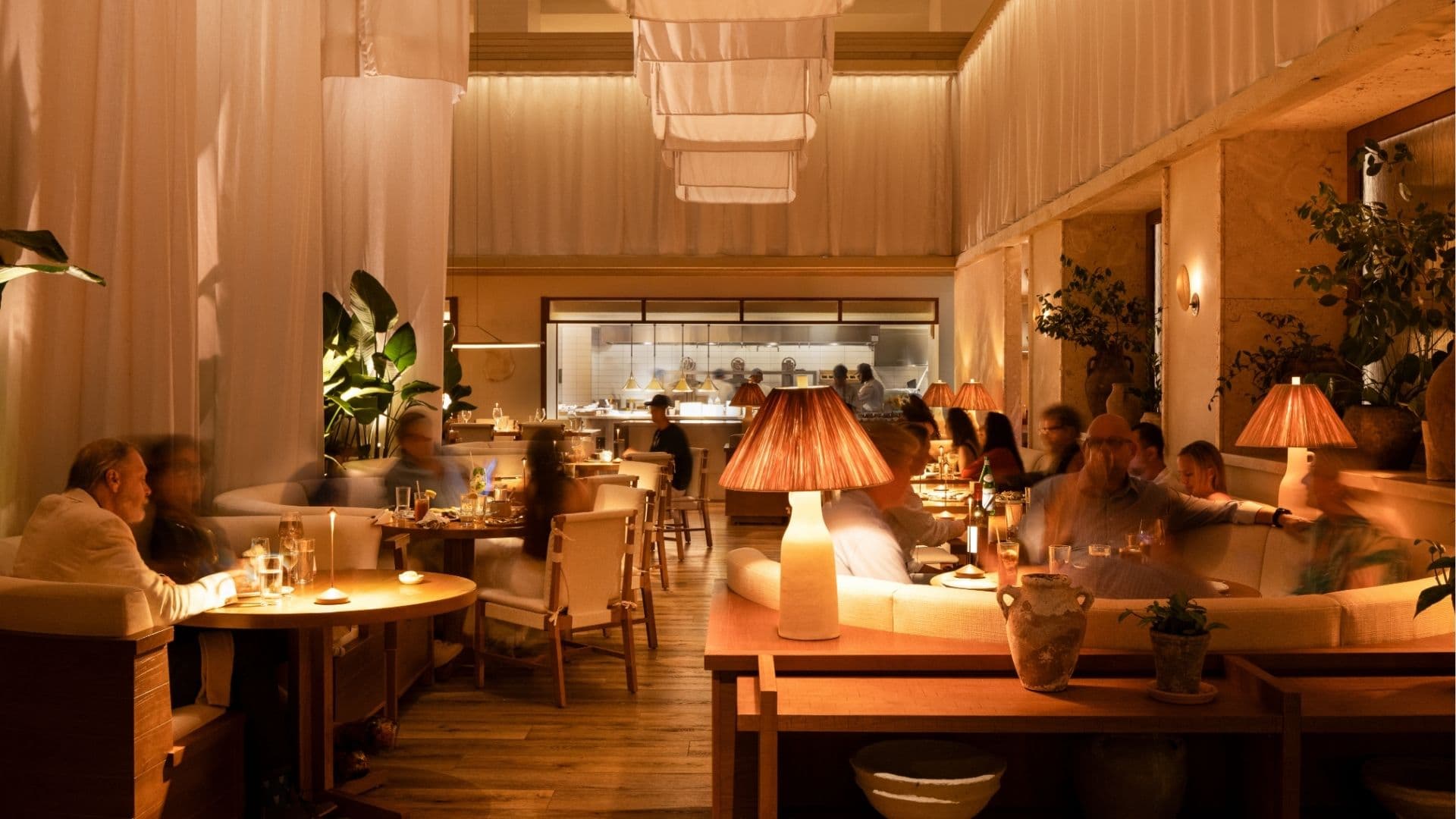
Spotlight ON: Jonathan Heath, Executive Vice President of F&B & Hotel Operations at Starwood Hotels

You Are What Your Hotel Feeds You
Jonathan Heath of Starwood Hotels on why food, wellness, and the guest experience have become one conversation, and why that changes everything.
There's a moment, somewhere between the third question about gluten and the arrival of artisanal bone broth at a corporate breakfast buffet, when you realize the luxury hotel world has quietly undergone a philosophical shift. The question is no longer simply what's on the menu, it's what the menu says about who you believe your guest to be.
Jonathan Heath, Executive Vice President of Food and Beverage and Hotel Operations at Starwood Hotels, has been sitting at the center of that shift. His portfolio spans dozens of restaurants, event spaces, and wellness environments, and his thinking bridges gastronomy, gut health, sustainability, and the psychology of arrival. When Starwood Hotels re-emerged in the luxury hospitality arena, it did so with Heath's conviction that F&B and wellness are no longer separate departments, they are a single, integrated guest experience.
We sat down with Heath to explore what that means in practice, from kitchen sourcing to meeting menus, from zero-waste coffee grounds to the question every server now asks before they say hello.
The End of Copy-Paste Menus
Starwood Hotels' portfolio is diverse by design, rooftop bars, intimate breakfast rooms, late-night dining destinations, and Heath insists that diversity demands a different culinary identity for each. "It can't just be copy and paste," he says. "All of those dynamics have been changing over time." Good food, he argues, has never gone out of fashion. The harder question is whether guests today will seek it out inside a hotel, and what it takes to make them choose to stay in rather than venture out.
The answer, for Heath, lies in intentionality. A hotel restaurant can no longer afford to be a fallback. It has to earn its place in the guest's day, not just as a convenience, but as an experience worth choosing.
Where F&B and Wellness Converge
Heath recounts a recent trip across multiple countries, noticing that the first question at virtually every restaurant, before a greeting, before a recommendation, is now about allergies. That single observation captures something significant about where the industry is heading.
At Starwood Hotels' Aviv restaurant in South Beach, the team has partnered with chef Michael Solomonov not merely for culinary credibility, but for his understanding of what Heath calls "nutritional strength" — the principle that ingredients should work with a guest's lifestyle, not against it. Menus are now built around clean sourcing, fermentation, seasonal produce, and gut health literacy. "We're looking at sleep, we're looking at detox, we're looking at how to be a better you," he explains. "We're really tying the entire experience all together."
The wellness-informed guest, Heath observes, wants to leave a meal feeling elevated, not stuffed, not bloated. That goal shapes every decision, from portion sizing to sourdough selection to whether a sauce is made from scratch or opened from a bottle. The difference, he notes wryly, is often the difference between inflammation and feeling genuinely well.
"Good ingredients done well. Your whole system will just love you a little bit more."
Zero Waste as a Design Principle
Sustainability at Starwood Hotels isn't framed as a cost-saving measure, it's embedded into the creative process. Heath describes a kitchen ecosystem where nothing is discarded without intention: coffee grounds become spa-grade body scrubs, blended with sea salt and essential oils; slow-pressed juice pulp is dehydrated for granola, tea, or infused water; fruit skins are transformed into cocktail garnishes. "These things become important," he says.
In banquets and events, he is pushing for a rigorous standard where single-use plastics are eliminated across the board wherever possible. This commitment is central to the new certified sustainable gatherings, ensuring that every event aligns with a logic of environmental responsibility. The team operates on a "less is more" philosophy: measure what you're doing, take the wins you can, and give back what you can't use. Surplus event food, for instance, is routed to local charities, signaling how Starwood Hotels thinks about its footprint.
The Next Generation of Wellness Leaders
Heath is watching a generational shift reshape how hotel leaders think about wellness, and he's encouraged by what he sees. "Spa" as a word is, in his view, quietly being retired in favor of "well-being", a broader concept that encompasses sleep environments, room temperature, supplementation, and functional training spaces as much as it does massages and facials.
Gyms are a useful barometer. The equipment that sits unused versus the equipment that's constantly occupied tells you where guests' bodies and minds are going. Functional training, movement that leverages bodyweight, balance, and coordination, is quietly overtaking the traditional weights room. The guest who arrives at 6am isn't looking for an isolated bicep curl; they want to move like an athlete and leave feeling reset.
The new wave of hospitality leaders, Heath notes, also understands the emotional intelligence of arrival. Reading the room, knowing whether an exhausted late-night traveler wants a sleepy tea, a steam, or simply to be left alone, is as much a wellness intervention as any spa treatment. "The EQ of it," he says, "is super important."
Meetings That Don't Crash
Perhaps the most compelling proof of concept Heath offers is a recent Starwood Hotels leadership retreat, 100 people, three days, and a deliberate decision to rethink what a meeting menu can do for human performance.
Out went the bread, pasta, dairy, and cheese during daytime sessions. In came broths at breakfast and during breaks, alongside fruit, smoothies, and functional energy foods. Caffeine was cut off at 2:30pm to protect sleep quality. Full-fat dairy replaced its reduced-fat counterparts, because, as Heath points out, removing fat typically means adding sugar, and most people don't realize they're trading one thing for another. Evening meals leaned into protein. Artificial sweeteners were replaced with natural alternatives throughout.
The result? People who stayed focused through the final session of the day, when finances were being reviewed and attention normally evaporates. "It gives you clarity," Heath says. "You can think through when you're presenting in the last meeting of the day. You stay focused, and you're in. It's quite amazing to watch people and how it changes them."
Starwood Hotels is now formalizing this approach into what Heath describes as a "super smart thinker series", a meetings and events programming philosophy built around cognitive performance, not just catering convenience.
The Sober-Curious Shift
The beverage landscape is moving just as fast. Heath is seeing the rise of zero-alcohol and low-alcohol options not as a niche trend, but as a genuine restructuring of how people want to drink, or not drink, alongside a meal. Tinctures, tonics, bitters, shrubs: beverages crafted with intention rather than sweetness, designed to be sipped slowly and savored.
Coffee culture is evolving in parallel. The early-morning fitness crowd followed by smoothies and pour-overs is replacing the late-night lounge as the defining ritual of a certain kind of guest. "The days of the super sweet soft drink with dinner," Heath observes, "are changing." Hotels that haven't rethought their beverage programming are behind.
Jonathan Heath will be speaking at the ILHA INSPIRE USA 2026 Conference, December 15–16 at the JW Marriott Orlando Bonnet Creek.
Featured Organizations
Related Articles
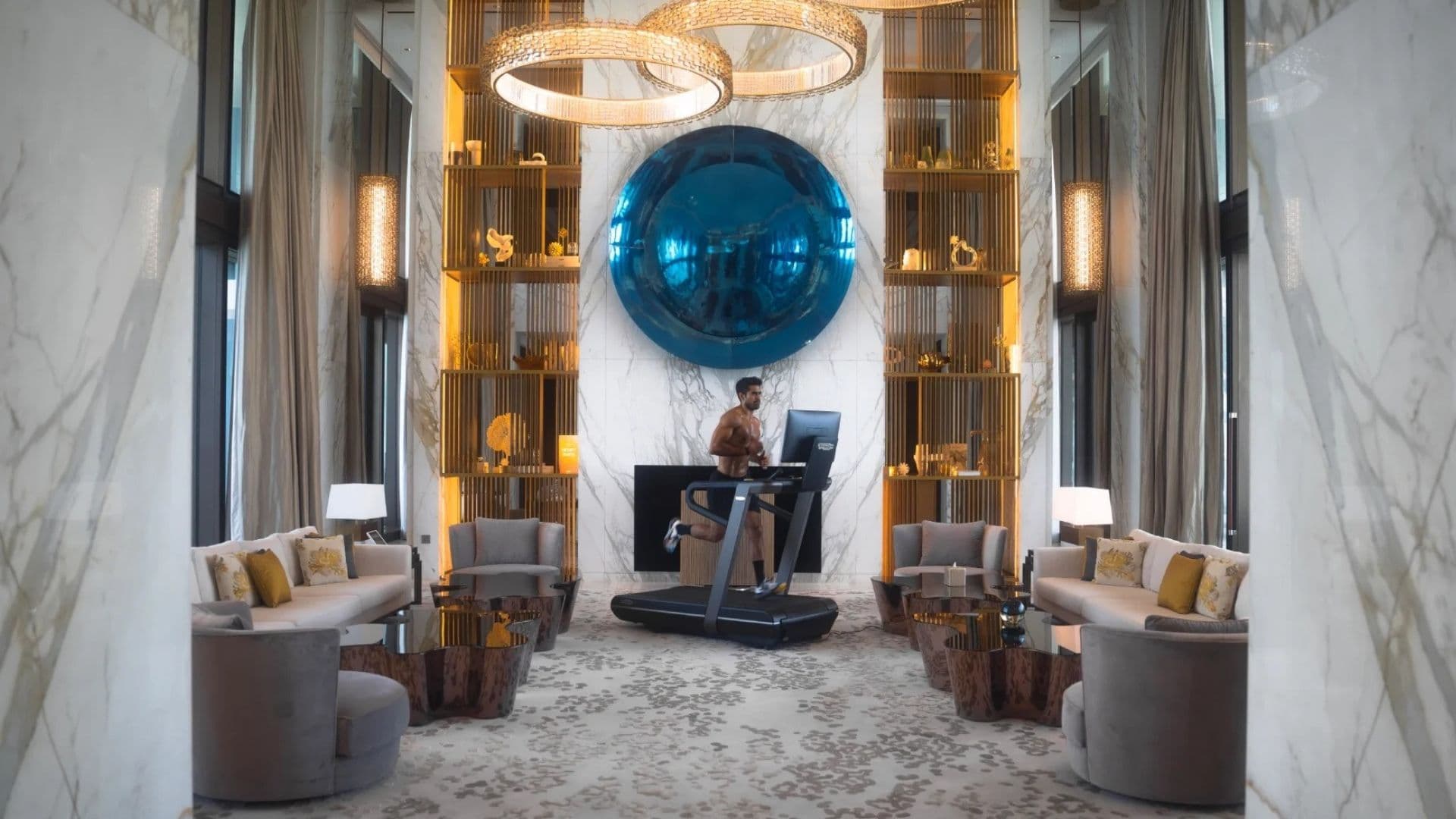
What 46 of the World’s 50 Best Hotels Share: Technogym and a New Wellness Standard
October 2026

Why Durability Became a Frontline Concern in Luxury Guest Fleets
October 2026
Spotlight ON: Jessica Gonzalez, VP of Hotel Operations at Harbour Village Bonaire
October 2026